
Welcome to the Neukloster Buxtehude Research Blog!
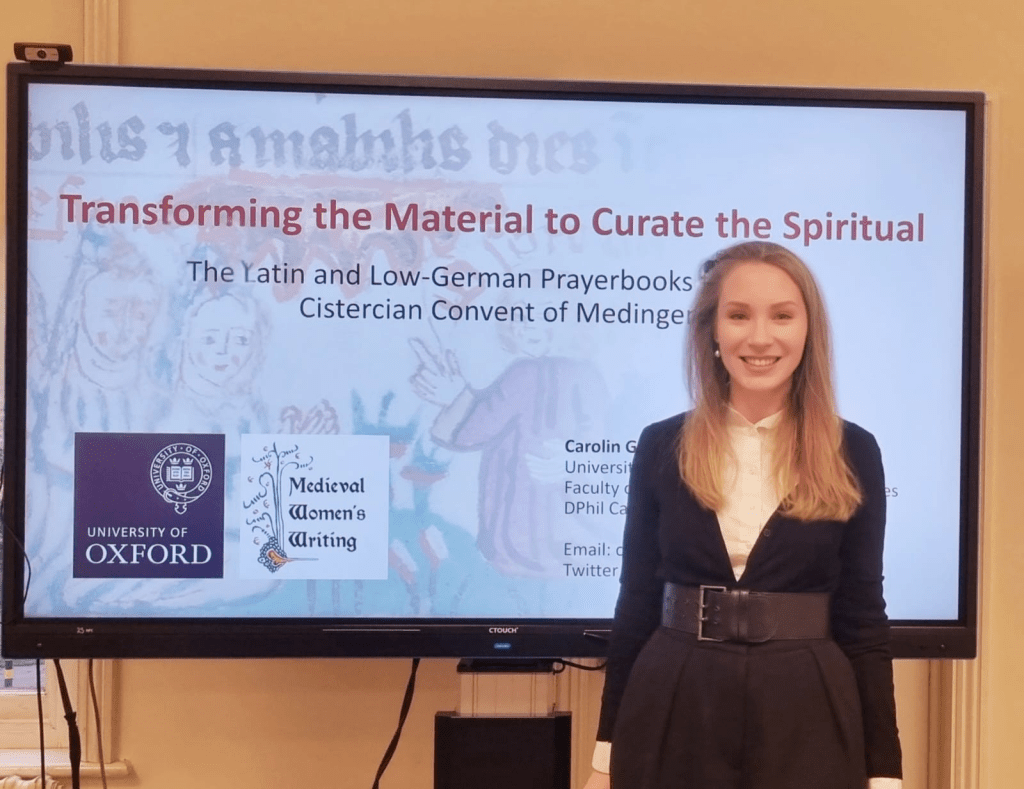
Hi, my name is Carolin Gluchowski, the author of this blog. I invite you to join me on a journey into the manuscripts of Neukloster Buxtehude—discovering the voices, devotion, and daily lives of the women religious in the 15th and 16th centuries.

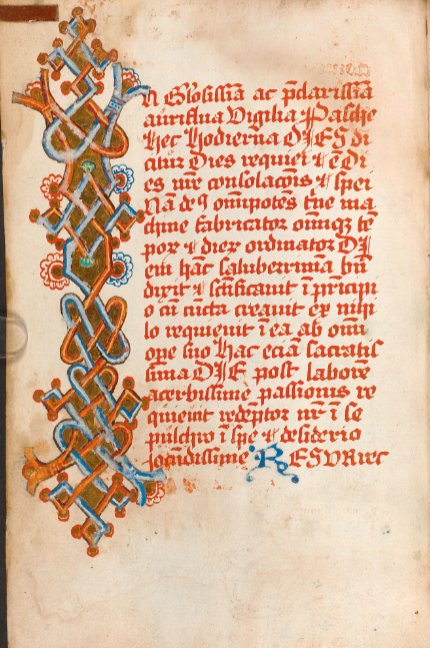
The Buxtehude prayer books are far more than relics of the past—they are vivid testaments to the spiritual life and religious practices of women religious in North Germany.

My Academic Journey
I never imagined that one day I would become a scholar of medieval and early modern manuscripts. The path to this point has been a long journey across disciplines and countries. I began my studies at the University of Freiburg (Germany), where I pursued German Studies, Art History, History, and Philosophy. In 2019, I joined the University of Fribourg (Switzerland) as a research assistant in an SNF project on German manuscripts under the supervision of PD Dr Stefan Matter. A year later, I earned two master’s degrees—one in Medieval and Renaissance Studies and another in Art History—before pursuing a PhD in Medieval and Modern Languages (Medieval German) at the University of Oxford (United Kingdom). Under the supervision of Prof. Henrike Lähnemann, my doctoral research focused on the Latin and Low German prayer books from the Cistercian convent of Medingen. Created between the early 15th and mid-16th centuries, these manuscripts were reworked in response to two major religious transformations: the North-German monastic reform of the 15th century and the Lutheran Reformation of the 16th century. After completing my PhD in 2024, I moved to Hamburg to begin a three-year postdoctoral fellowship dedicated to the study of early modern prayer practices under the supervision of Prof. Markus Friedrich.
My First Contact with a Buxtehude Manuscript
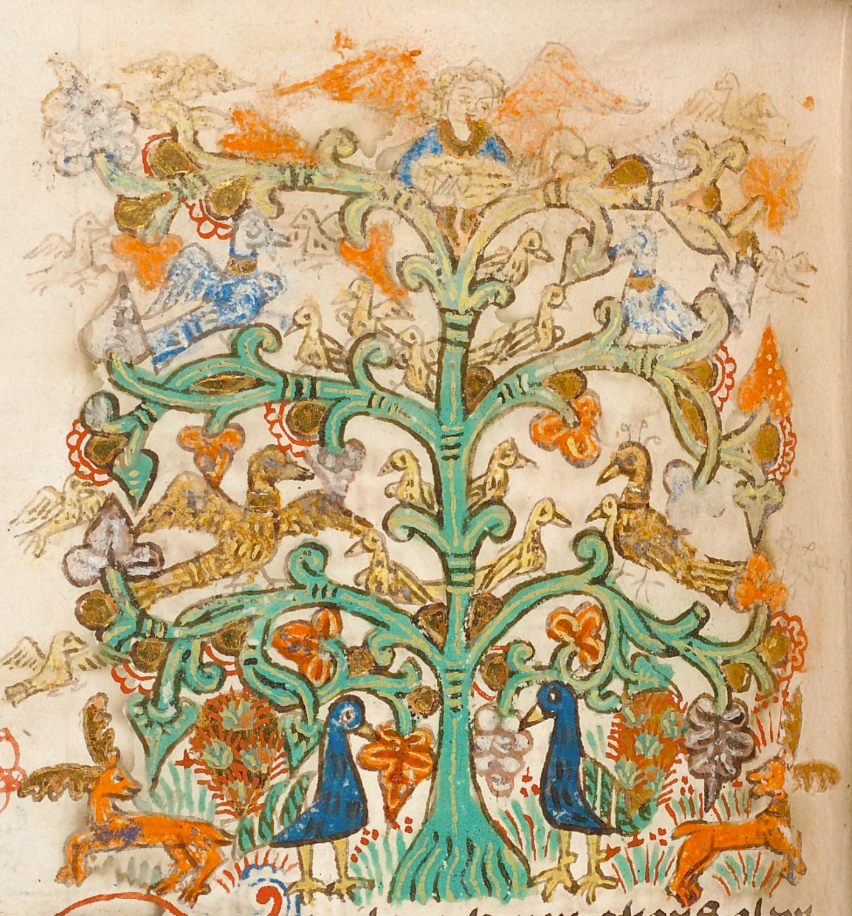
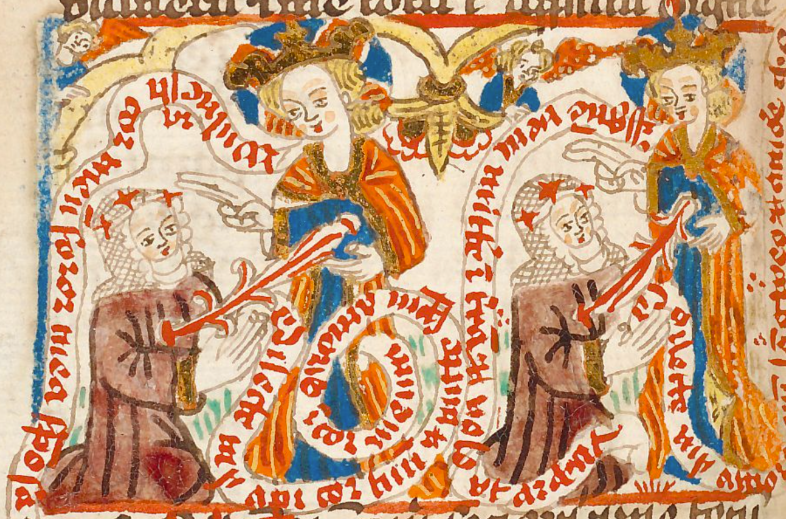
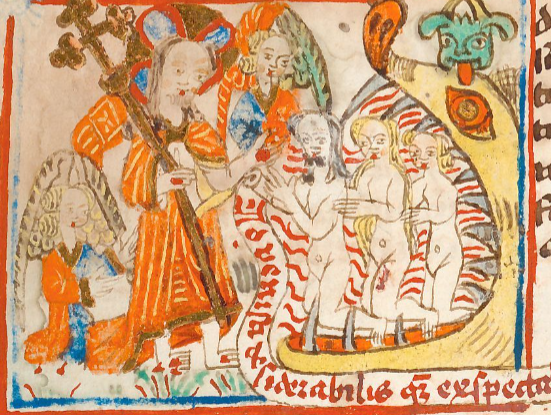
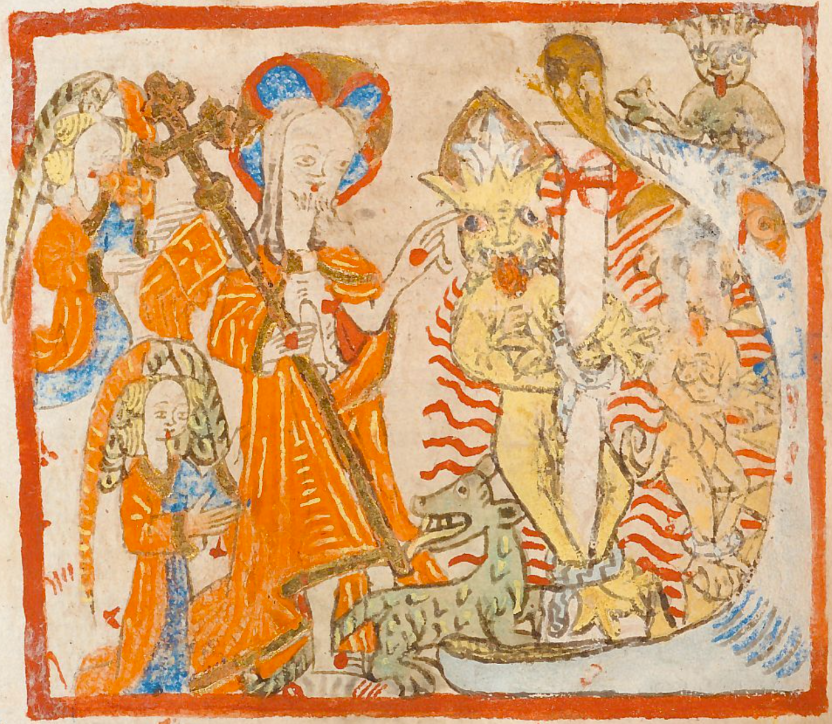
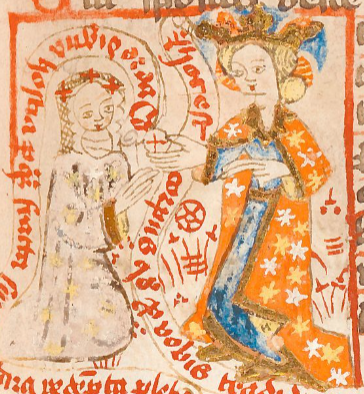
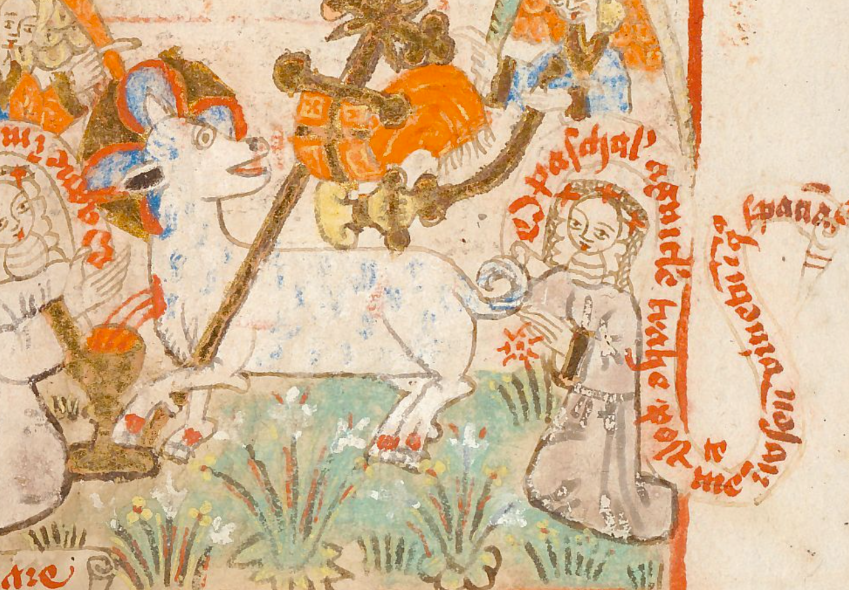
My interest in the Buxtehude manuscripts was sparked several years ago. For my PhD, I focused on the Latin and Low German manuscripts from the Cistercian convent of Medingen near Lüneburg. Founded in the 13th century, Medingen remains active today as a Protestant convent. To date, 65 Latin and Low German manuscripts have been attributed to Medingen. While researching these manuscripts, I came across the Latin and Low German Easter prayer book of Cecilia Hüge—an excellent point of comparison for the Medingen prayer books. Despite its significance, this small but remarkable volume—now housed in the Landesbibliothek Württemberg in Stuttgart (Cod. brev. 22)—had remained largely unexplored. In other words, Cecilia’s Easter prayer book was still a terra incognita, an uncharted territory of exceptional beauty, as the images below vividly attest, waiting to be discovered.
How this Project Came About
For any manuscript scholar, researching hitherto unexplored material is a dream. Every page of an unstudied manuscript holds the potential for discovery, offering new insights that can significantly advance the field. In the case of Cecilia’s prayer book, this meant uncovering the devotional landscape of Neukloster Buxtehude. With only a few surviving archival documents from the convent, the prayer book provides a rare and invaluable foundation for exploring the rich history of this community. At the same time, working with an untouched prayer book is a demanding task. As I argue on this blog, prayer books are complex media that encapsulate a convent’s devotional identity. Unraveling their layers of meaning requires expertise across multiple disciplines, including German Studies, Art History, History, Theology, Prayer Studies, Liturgical Studies, and Gender Studies. Only through this interdisciplinary approach can we fully grasp the depth and significance of these manuscripts.
With the support of my colleagues, I was able to attribute four additional manuscripts to Neukloster Buxtehude, establishing a solid source base for further research. This process was facilitated by the distinct and easily recognizable style of the Buxtehude manuscripts. Every convent has a unique house style—a characteristic approach to script and decoration that reflects its corporate identity. This distinctive style not only shaped the convent’s visual language but also serves as a crucial tool for scholars today in dating and localizing manuscripts. For me, this aspect of manuscript research is the most exciting. Analyzing subtle clues within a manuscript feels a bit like playing the role of a ‘Sherlock Holmes’ of the book world—gathering evidence, following leads, and piecing together a compelling hypothesis until it is ultimately confirmed. Case solved—and four more prayer books added to the Buxtehude corpus!
About this Blog
The objective of this blog is to facilitate the public’s participation in the exploration of the manuscripts from Neukloster Buxtehude. Through the contributions on this blog, I will communicate my latest findings and elucidate their significance within the broader field. In this endeavor, I aspire to increase the visibility of manuscript studies and raise awareness regarding the importance of this subject within the contemporary academic landscape.
 Neukloster Buxtehude