
The Manuscripts
from Neukloster Buxtehude

About: Exploring the Manuscripts from Neukloster Buxtehude
Welcome to the Neukloster Buxtehude research blog! I’m Carolin, the author of this blog. I study late medieval and early modern prayer books from North Germany and have been working on the Buxtehude manuscripts for the past two years. In this blog, I will share the initial results of my research.
The Convent: Neukloster Buxtehude
Founded in 1274, Neukloster Buxtehude has a rich history shaped by two significant monastic reforms. In the 15th century, it adopted the North-German Monastic Reform and transitioned from the Benedictine to the Cistercian order. In the 16th century, it resisted the Reformation, holding firm until its closure in 1705. Both reforms were pivotal in shaping the convent’s production of Latin and Low German prayer books, reflecting both its evolving religious practices and its resilience in times of change.

The Corpus:
Five Books
Until 2024, it was believed that only one prayer book from Neukloster Buxtehude had survived: Cecilia Hüge’s Easter prayer book, now housed in the Landesbibliothek Württemberg in Stuttgart. However, recent discoveries have revealed that more manuscripts from Buxtehude still exist, offering exciting opportunities for further exploration.
A Case Study: Cecilia’s Easter Prayer Book
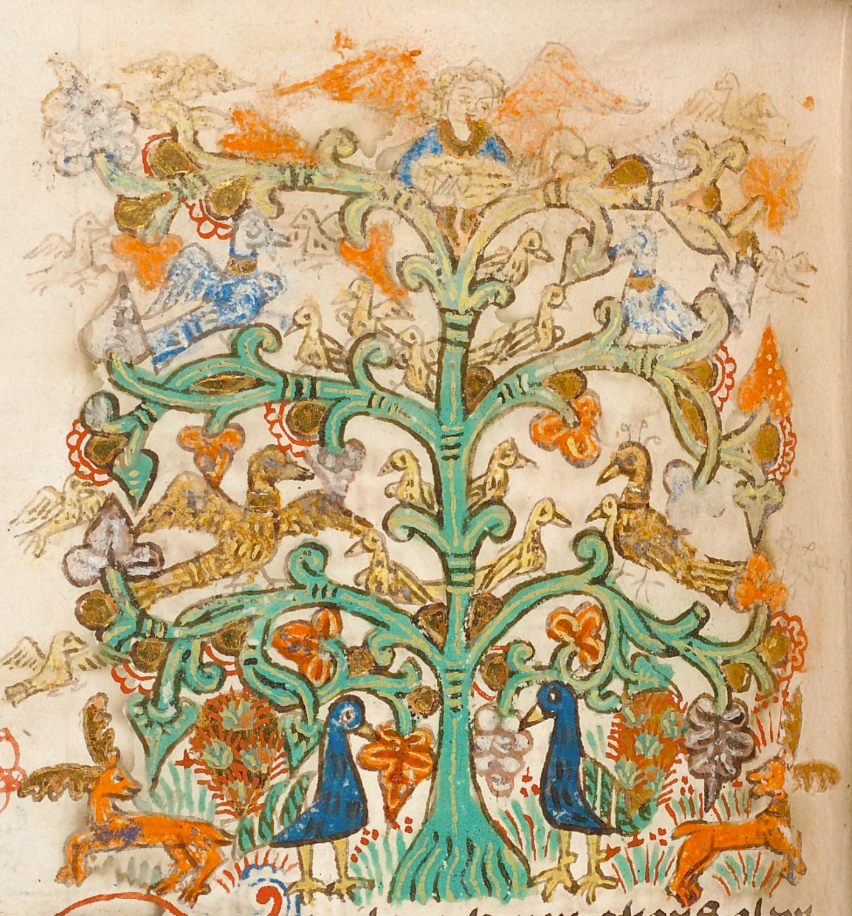
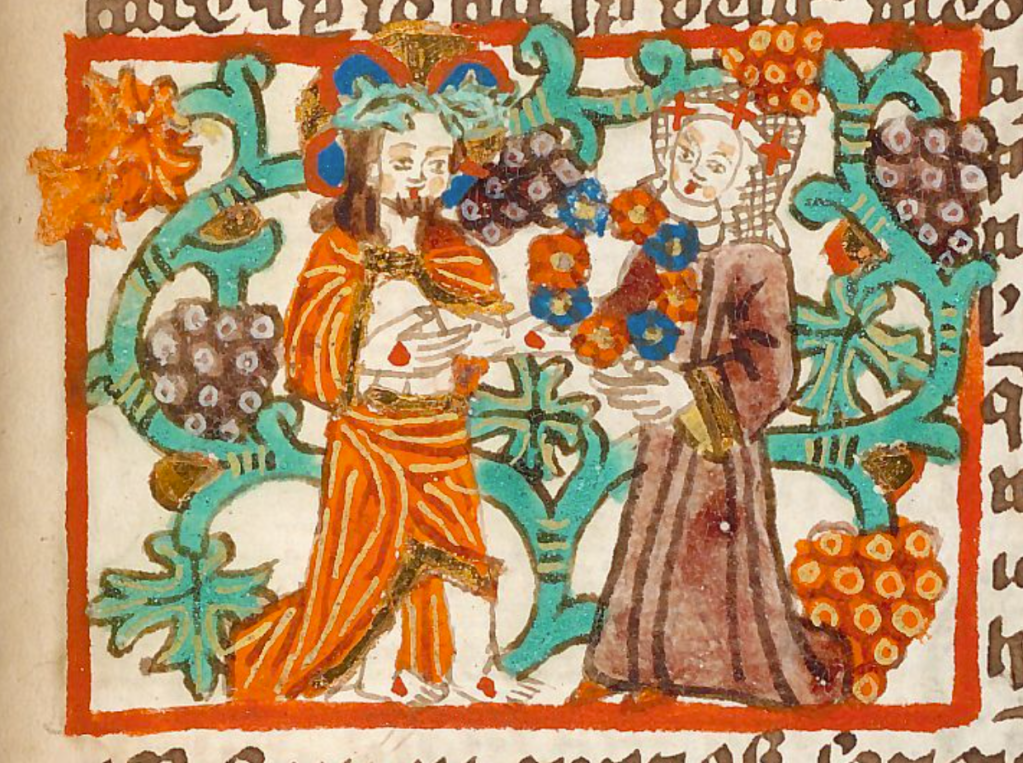
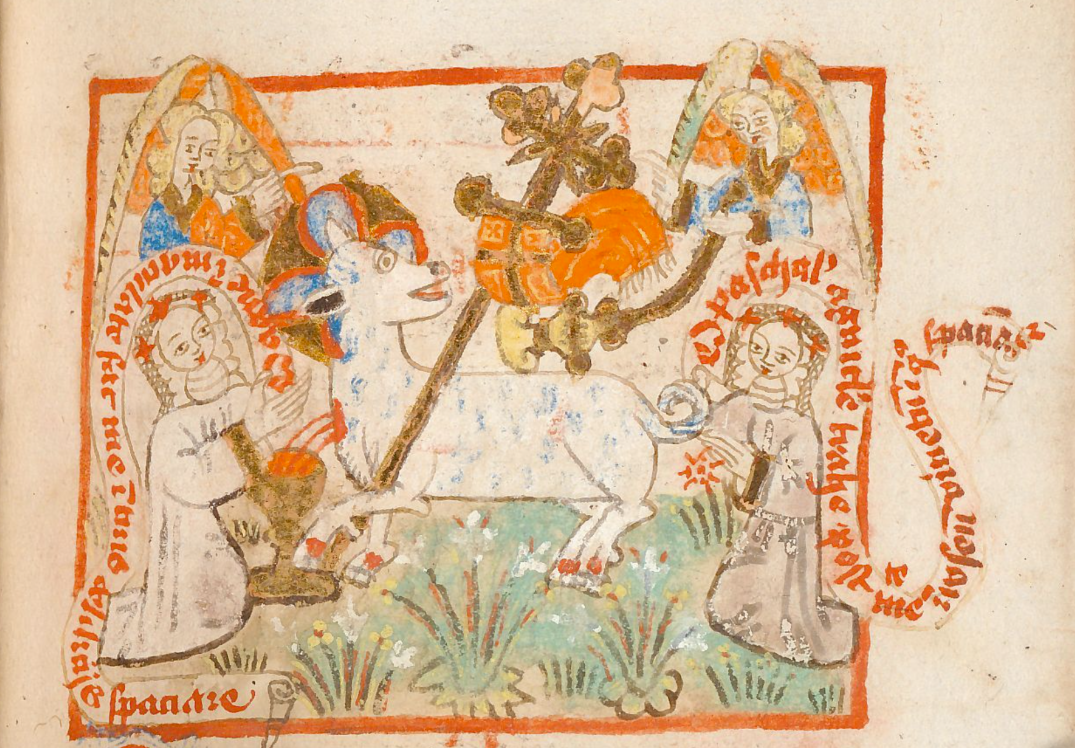
In 1524, Cecilia Hüge, a nun who later became the prioress of Neukloster Buxtehude, finished her beautifully illustrated prayer book. This small but substantial book, with 419 folios the size of a postcard, contains Latin and Low German texts for the liturgical period from Holy Saturday to the fifth Sunday after Easter. Although it is a significant example of women’s religious writing before the Reformation, Cecilia’s prayer book has not been thoroughly studied.
Researching the Middle Ages Through Its Manuscripts
Why study old manuscripts? Prayer books from 500 to 1500 offer a rare window into the medieval world—a time that can feel both distant and unfamiliar. The Buxtehude prayer books, in particular, provide fascinating insights into the lives of religious women in North Germany over 500 years ago, revealing their daily practices, beliefs, and devotion.
The Buxtehude Nuns:
Powerful Brides of Christ
The Buxtehude prayer books are far more than relics of the past—they are vivid testaments to the spiritual life and religious practices of women religious in the 15th and 16th centuries. These manuscripts reveal the Buxtehude nuns as powerful Brides of Christ, actively engaging with the Divine in their daily devotion.
Recent Highlights
-
A New Prayer Book from Neukloster? 8 Cod. Ms. theol. 233and the Making of an Easter Orationale
A manuscript does not always reveal explicitly where it was made. Instead, its origins must often be reconstructed from the… Read More
-
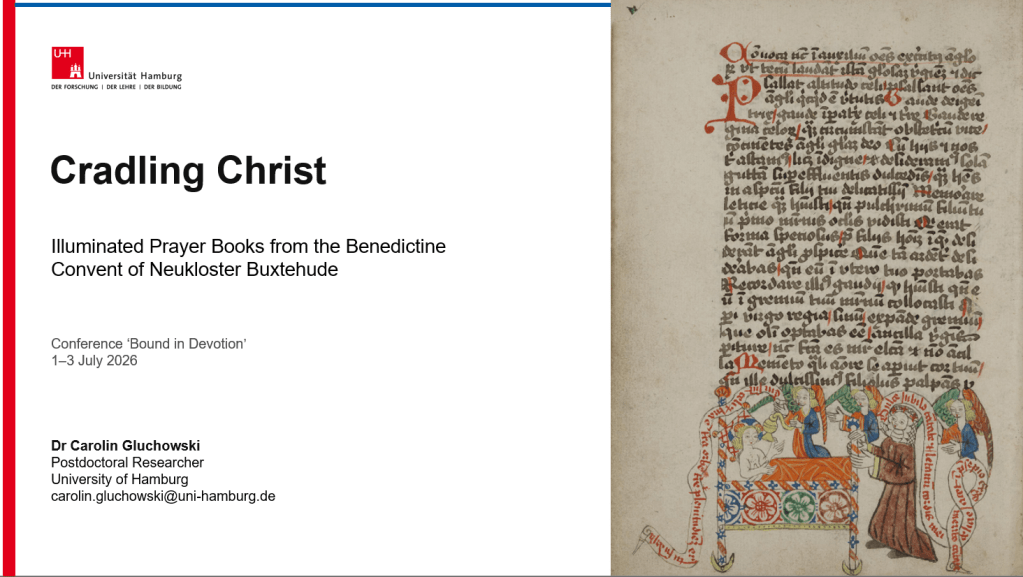
Cradling Christ in Leiden: Prayer Books as Objects and Practices
From 1 to 3 July 2026, I had the pleasure of taking part in the conference “Bound for Devotion: The… Read More
-
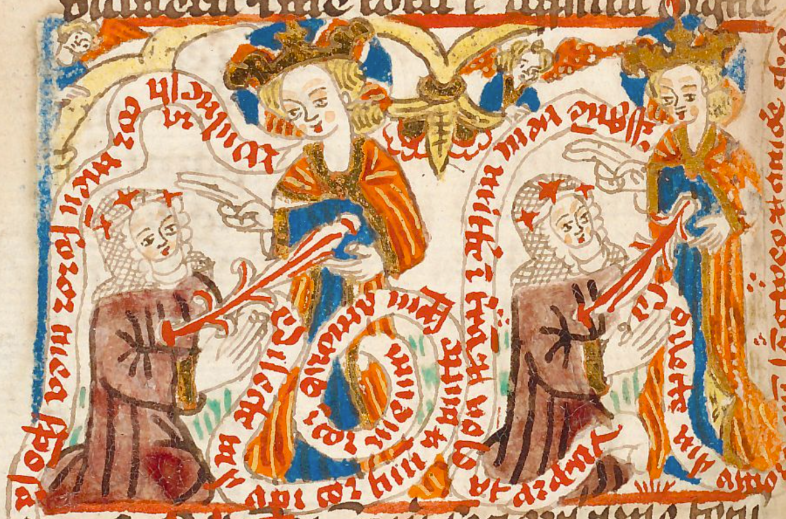
From One Prayer Book to a Corpus: The Buxtehude Manuscripts from Neukloster
For a long time, the manuscript culture of Neukloster Buxtehude seemed to rest on a single surviving book. In 1524,… Read More
-
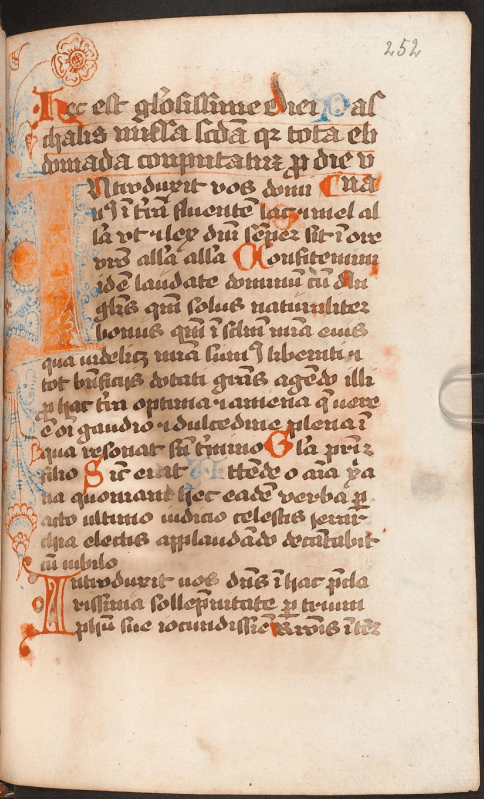
One Long Day of Joy: Easter Week in Cecilia Hüge’s Prayer Book
Cecilia Hüge’s Easter prayer book does not treat Easter as a feast that ends on Sunday morning. Instead, it presents… Read More

